Warehouse temperature monitoring that goes where your forklifts go
Bluetooth (BLE) beacons log temperature, humidity and wet bulb in every zone, collected by your forklifts as they drive their normal routes. No fixed infrastructure, no dead zones.
Your forklifts already drive every aisle. Now they collect the readings too.
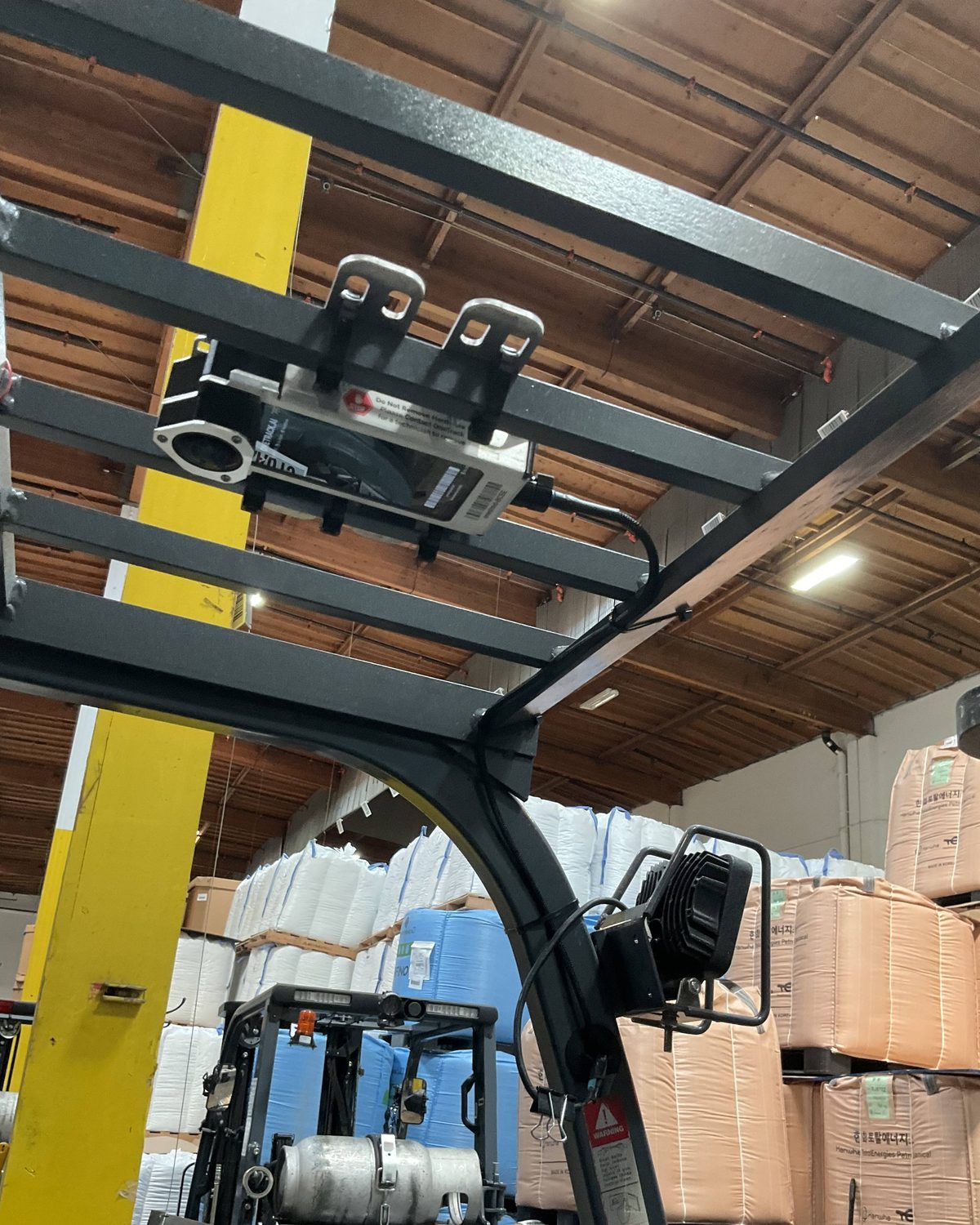
Battery-powered beacons sit in the zones you need to watch. The OneTrack sensor on each forklift picks up their readings on its normal route, and AI turns them into alerts. No WiFi gateways, no wiring, no IT project.
WiFi gateways, power wiring and an IT project.
Someone walks the floor to take readings.
Battery-powered beacons, deployed in hours.
Only where a sensor is mounted, with dead zones between.
Spot checks, a couple of times a day.
Every aisle and zone the forklifts drive.
One data point per fixed location.
Logbooks, with hours unrecorded between checks.
Continuous logs and alerts, automatically.
Expensive to add across facilities.
Doesn't scale across shifts.
Add a facility by shipping a box of beacons.
What OneTrack monitors
Each beacon reads several conditions at once, and AI turns the readings into alerts and patterns, not just numbers.
Temperature and humidity, zone by zone
Ambient, refrigerated and freezer zones, logged continuously, with an alert when a reading crosses its threshold. Patterns show up across shifts and seasons, like which dock doors run hot.
Wet bulb, for heat stress
Wet bulb temperature combines heat and humidity into the risk your people actually feel. The same 85°F reading is far more dangerous when the air is humid.
Condensation, before the floor sweats
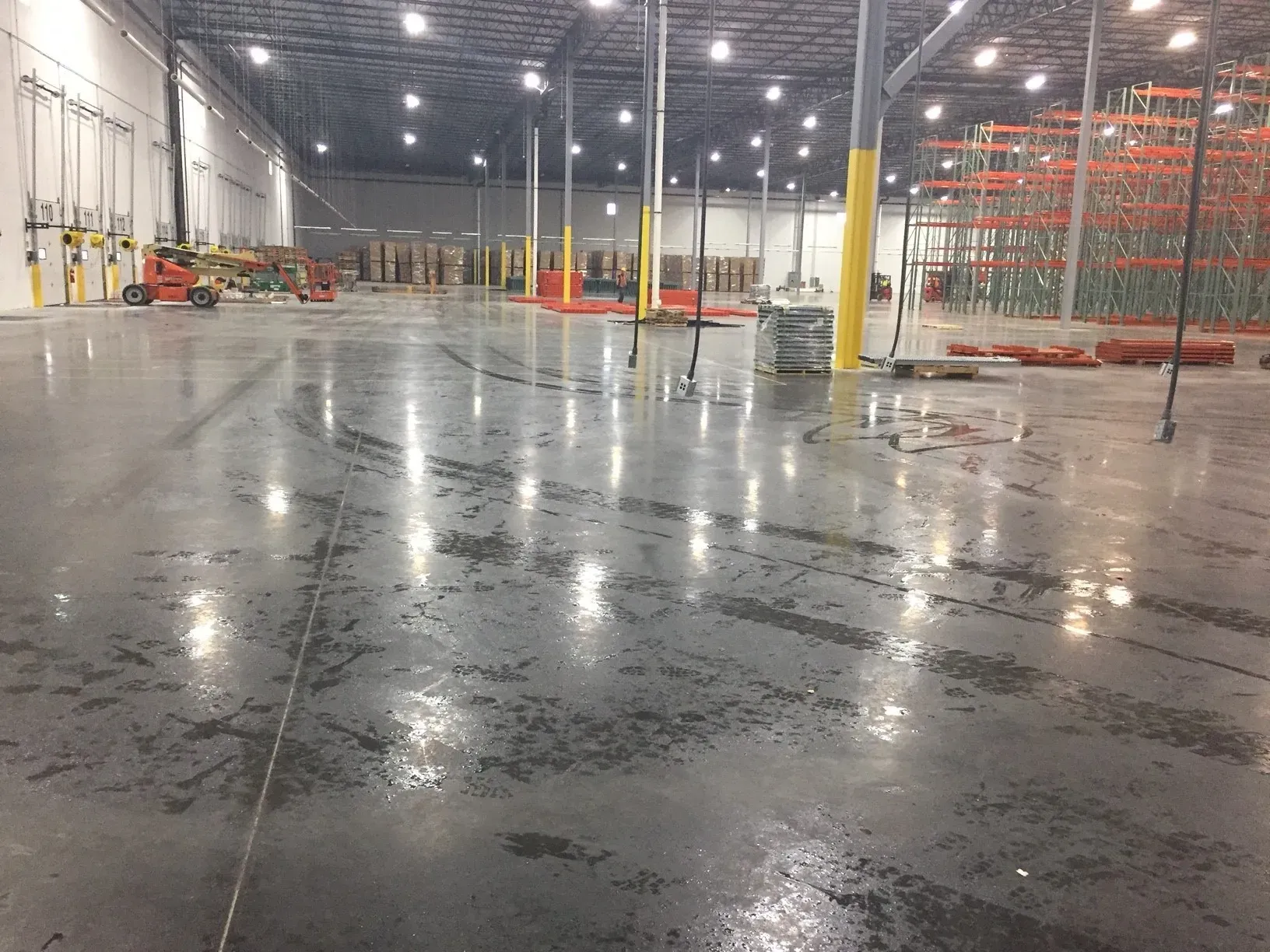
When warm, humid air meets cold concrete, floors sweat and become slip hazards. OneTrack watches the temperature and humidity difference and alerts before condensation forms.
Records ready for an audit
Every reading is logged automatically for cold chain audits, FSMA and GMP requirements, OSHA inspections and client temperature SLAs. No manual logbooks.
OSHA warehouse temperature guidelines
OSHA has no specific warehouse temperature rule, but the General Duty Clause and the proposed Heat Illness Prevention Rule set clear expectations. Continuous monitoring gives you the record.
OSHA recommends 68–76°F for warehouse and workplace environments. Above 80°F, the proposed Heat Illness Prevention Rule requires employers to act.
Within 20–60% relative humidity, mold is kept in check and workers stay comfortable. Many states add their own requirements.
Common questions
What are OSHA warehouse temperature requirements?
OSHA recommends warehouse temperatures of 68-76°F and 20-60% relative humidity. While there are no specific federal regulations, the General Duty Clause requires employers to maintain a workplace free from recognized hazards. OSHA's proposed Heat Illness Prevention Rule sets an 80°F action trigger. Many states have additional requirements. Continuous monitoring systems provide the documentation needed for compliance.
How does mobile temperature monitoring work in a warehouse?
BLE (Bluetooth Low Energy) temperature sensors are placed throughout the facility in zones that need monitoring. As forklifts equipped with OneTrack sensors drive their normal routes, they automatically collect temperature, humidity, and wet bulb data from every beacon they pass. This provides continuous, facility-wide coverage without fixed infrastructure, WiFi gateways, or wiring.
What is wet bulb temperature and why does it matter in warehouses?
Wet bulb temperature combines air temperature and humidity to measure heat stress risk for workers. A dry thermometer might read 85°F, but high humidity makes it feel much worse and inhibits the body's ability to cool through sweating. OSHA uses wet bulb globe temperature (WBGT) as the standard for heat stress assessment. Monitoring wet bulb temperature helps prevent heat-related illness and ensures compliance with workplace safety requirements.
How does condensation forecasting prevent warehouse accidents?
When warm, humid air meets cold concrete floors (common in facilities near cold storage areas), condensation forms, creating invisible slip hazards. OneTrack sensors monitor temperature and humidity differentials to predict condensation before it occurs, triggering alerts so teams can take preventive action. This is especially critical in facilities with cold chain operations adjacent to ambient zones.
How is this different from fixed temperature monitoring systems?
Fixed monitoring systems require WiFi gateways, power wiring, and careful placement, and still leave dead zones. OneTrack uses battery-powered BLE beacons collected by forklifts driving their normal routes. This means complete facility coverage, no infrastructure project, and deployment in hours instead of weeks. You also get more data points because forklifts travel every aisle, not just where you placed a fixed sensor.
What temperature monitoring is needed for cold chain compliance?
Cold chain compliance typically requires continuous temperature logging with documented proof for audits. Requirements vary by industry: FDA mandates temperature control for pharmaceuticals and food (FSMA), while USDA has specific requirements for perishables. OneTrack provides automated documentation and reporting that satisfies audit requirements without manual logbooks or spot-checks.
See temperature monitoring in your facility
Temperature, humidity and wet bulb monitoring across your operation, without an IT project.
- No WiFi gateways, no wiring, no IT project
- Wet bulb and condensation forecasting included
- Works alongside OneTrack safety and productivity
Get a demo
Start with your work email
We'll set up a personalized walkthrough for your team.
No spam. We'll reach out within one business day.
Step 2 of 3
Tell us about yourself
We'll tailor the demo to your role and team.
Step 3 of 3
One last thing
How did you hear about OneTrack?
You're all set
Pick a time that works
A personalized walkthrough with one of our solutions engineers, typically 30 minutes.
Calendar not loading? Open scheduling page →
Thanks
We'll be in touch
Someone from our team will reach out within one business day.
Questions? Email us at hello@onetrack.ai.
Get more insights like this
Warehouse operations, environmental monitoring and the future of physical work, in your inbox.
No spam, ever. Unsubscribe any time.
Thanks for subscribing
You'll hear from us soon. Check your inbox, and your spam folder just in case.